 EN


Fundamental Metallurgical Distinction and Core Definitions
When electrical engineers and procurement specialists set out to optimize power distribution, telecommunication lines, or specialized harnesses, choosing the right conductor material is the foundational step. Two prominent lightweight alternatives to solid copper have dominated modern manufacturing discussions: copper clad aluminum wire and aluminum alloy wire. While both materials target the reduction of weight and material expenses compared to traditional copper, their internal metallurgical structures and operational behaviors differ fundamentally.
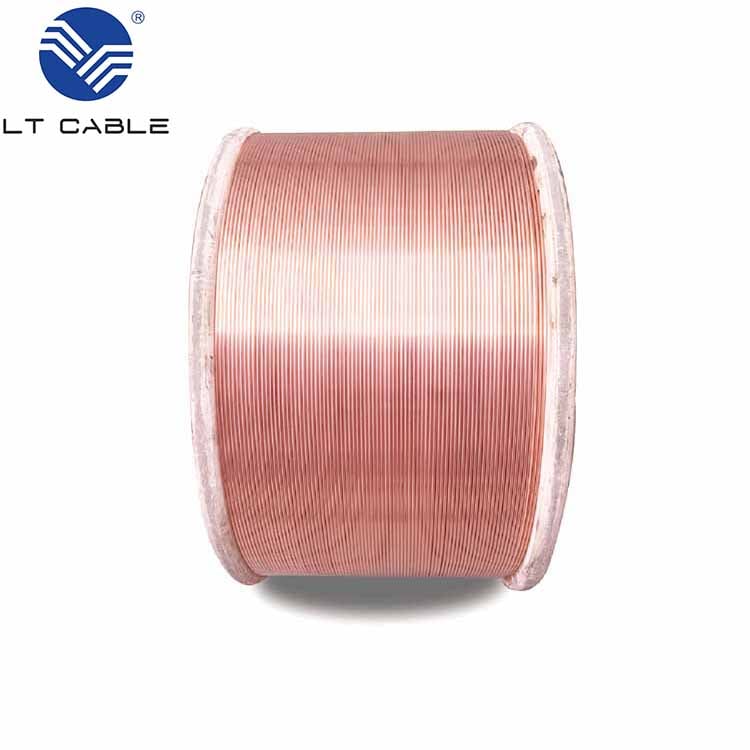
A copper clad aluminum wire consists of an inner core of high-purity electrical-grade aluminum bonded permanently to an outer concentric layer of refined copper. This construction relies on advanced cladding or electroplating techniques to create an atomic metallurgical barrier. Conversely, aluminum alloy wire is a homogeneous metal matrix composed primarily of aluminum blended with controlled trace elements such as iron, magnesium, copper, and rare-earth elements. These specific trace additives modify the crystalline grain structure of the aluminum during casting and extrusion, directly improving its mechanical stability and creep resistance. Understanding these fundamental definitions allows engineers to align their material choices with specific electrical and mechanical demands of modern cable designs.
Electrical Conductivity and Skin Effect Behavior
Electrical performance serves as a primary discriminator when evaluating cable conductor options. Because copper possesses superior conductivity compared to aluminum, copper clad aluminum wire leverages the physical phenomenon known as the skin effect. At high frequencies, alternating current travels predominantly along the outer perimeter of a conductor. Since the outer shell of this composite conductor is pure copper, high-frequency signal transmission, attenuation, and radio frequency performance closely mirror those of solid copper wires, making it exceptionally popular for coaxial, telecommunication, and signal lines.
On the other hand, aluminum alloy wire distributes electrical current uniformly throughout its entire homogeneous cross-section. Because it lacks a high-conductivity outer copper skin, its electrical resistivity is generally higher than that of copper clad aluminum wire at equivalent diameters. To achieve the same ampacity or current-carrying capacity in power transmission applications, aluminum alloy wire often requires a slightly larger cross-sectional gauge size. At Litong Cable, strict quality inspection regimens ensure that every production lot of copper clad aluminum wire maintains precise copper-to-aluminum volume ratios, securing predictable electrical performance across diverse operating frequencies.
Mechanical Creep Resistance and Tensile Performance
Mechanical durability and long-term structural integrity under physical stress are critical parameters that separate these two conductor types during field installation and operational lifecycles. Pure aluminum is notoriously prone to creep, a slow mechanical deformation under sustained mechanical tension or thermal cycling, which can loosen terminal connections over time and create high-resistance electrical hot spots.
Aluminum alloy wire is specifically engineered to mitigate this vulnerability. The precise micro-alloying elements added during the metallurgical processing phase significantly enhance tensile strength, elongation, and resistance to creep, making aluminum alloy wire a preferred choice for building wires and large-scale power distribution feeders where terminal stability is paramount. Meanwhile, copper clad aluminum wire achieves its mechanical robustness through the combination of its strong aluminum core and the protective outer copper layer. The outer copper sheath protects the vulnerable aluminum interior from direct atmospheric oxidation and provides enhanced surface hardness, making it ideal for precision cabling applications that undergo rigorous twisting, stranding, and braiding processes.
Comprehensive Parameter Comparison for Cable Engineering
To clarify the operational differences between these two modern conductor choices for engineering teams, a direct parameter comparison is essential. The following table contrasts key mechanical and electrical attributes.
| Evaluation Parameter | Copper Clad Aluminum Wire | Aluminum Alloy Wire |
| Metallurgical Structure | Composite (Aluminum core with outer copper layer) | Homogeneous single-metal alloy matrix |
| High-Frequency Performance | Excellent due to outer copper skin effect | Moderate (Uniform current distribution) |
| Tensile Strength | High, enhanced by outer shell and core bond | High, optimized via specific trace elements |
| Creep Resistance | Good (Protected core structure) | Superior (Modified grain boundaries) |
| Typical Applications | Coaxial braids, signal lines, lightweight harnesses | Power distribution, building wire, feeders |
As highlighted in the comparison table, each material serves distinct architectural roles. Choosing between copper clad aluminum wire and aluminum alloy wire depends entirely on whether the system prioritizes high-frequency skin-effect performance or heavy-duty power distribution terminal stability.
Manufacturing Quality Control and Standards Compliance at Litong Cable
Ensuring consistent performance in mass production requires adherence to rigorous global standards and meticulous quality control protocols. Procurement teams must verify that suppliers comply with established international benchmarks, such as ASTM standards for composite conductors and relevant IEC codes for electrical properties.
At Litong Cable, advanced manufacturing pipelines integrate continuous laser micrometer testing, high-tension elongation analysis, and destructive metallurgical cross-section inspections. These diagnostic checks verify that the bonding integrity, thickness uniformity, and microstructural characteristics meet exact specifications. By maintaining transparent, verifiable quality assurance processes, engineering facilities can confidently deploy copper clad aluminum wire in demanding aerospace, automotive, and telecommunication applications, driving long-term reliability and market competitiveness.


